Steel mill conveyor systems should be selected by duty zone, not by a single “steel plant belt” label. The raw-material yard, sinter line, blast-furnace burden route, by-product handling area and rolling mill each expose a conveyor to a different combination of material temperature, abrasion, impact, dust, capacity variation and access constraints. The correct starting point is the material state at each transfer—then the calculated tension, belt construction, cover compound, support and maintenance plan can be checked together.
For a preliminary specification, map the route, separate ordinary bulk handling from genuinely hot-material duty, calculate capacity and effective tension, and document the loading-zone conditions. A heat-resistant cover alone does not solve a belt that is overloaded at a chute, bent around an undersized pulley or fed off-centre.
Start with the route and material state
An integrated mill can move iron ore, coke, fluxes, pellets, sinter, dust, slag-related products and mill scale along different routes. The World Steel Association’s overview of the blast-furnace and converter route usefully shows why the material flow is not one continuous conveyor duty: sinter, pellets, limestone and coke converge before ironmaking, then the process moves through steelmaking, casting and downstream rolling.
That process map prevents two common errors:
- specifying one belt construction for every line simply because all of them are inside a steel site; and
- treating every line near a furnace as a hot-material conveyor without confirming the actual material and belt-surface temperatures.
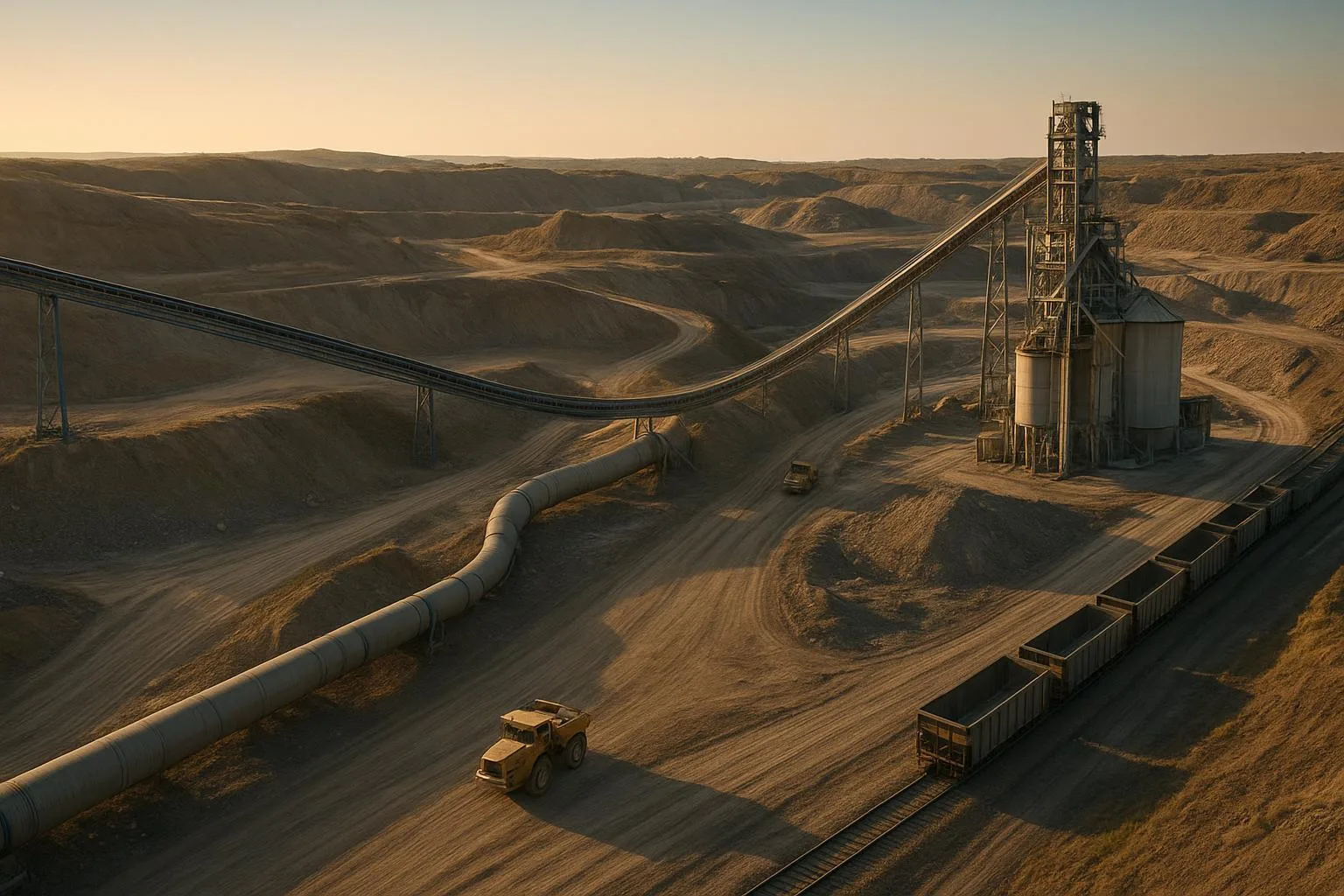
The conveyor around a raw-material stockyard may be long, abrasive and exposed to weather, but carry material close to ambient temperature. A sinter discharge or hot-coke route can instead be shorter yet impose more severe heat ageing, dust, impact and cleaning constraints. Downstream of casting, product handling may use roller tables rather than rubber belts; belt conveyors there are more often associated with scale, scrap, additives, packaging or auxiliary bulk flows. Define the route before selecting equipment.
Divide the steel mill into duty zones
Use a separate duty statement for each conveyor or materially different section. The table below is a starting framework, not a substitute for site measurements.
| Duty zone | Typical conveyed material | Main selection risk | What to confirm before specifying |
|---|---|---|---|
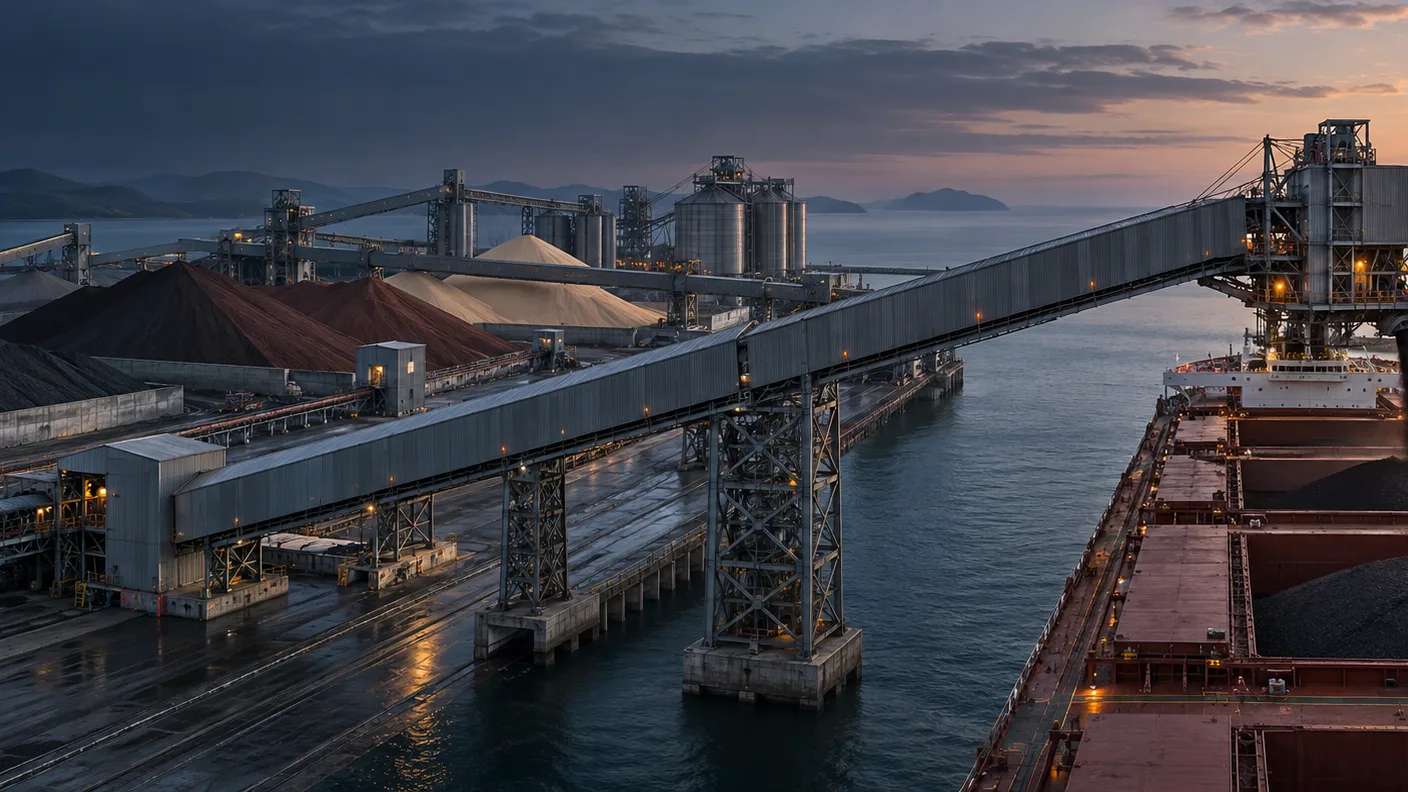
| Raw-material receiving and stockyard | Iron ore, coal, coke, limestone, pellets | Abrasion, impact, variable feed and outdoor exposure | Lump size, drop height, moisture, belt length, peak capacity and cleaning access |
| Blending and sinter-feed route | Fines, coke breeze, fluxes and return fines | Dust, carryback, build-up and repeated transfers | Fines content, material adhesion, skirt length, local sag and transfer trajectory |
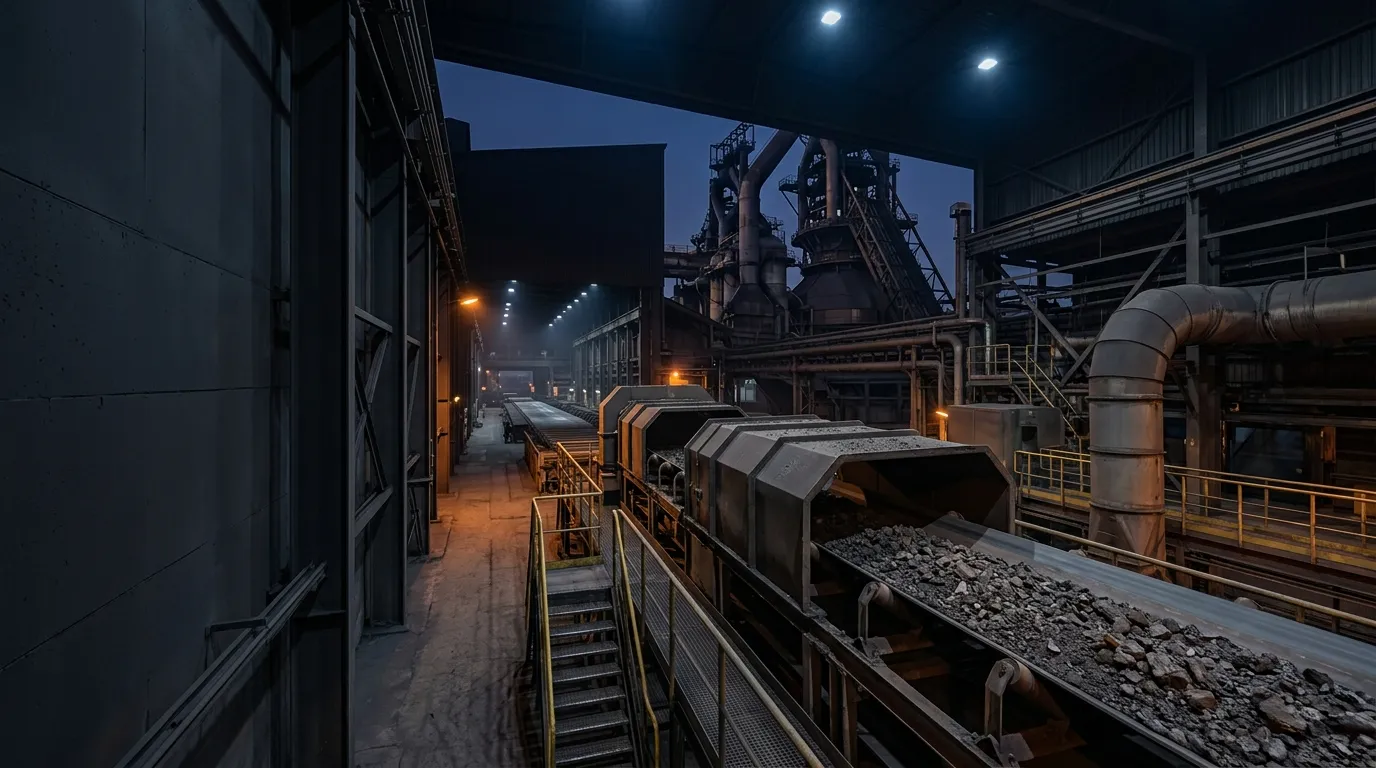
| Sinter cooler discharge and furnace-feed route | Cooled sinter, coke or burden materials | Residual heat combined with abrasion and high throughput | Measured material temperature, belt-surface temperature, dwell time, cover test requirements and cooling arrangement |
| Steelmaking by-products | Scale, dust, granulated or conditioned by-products | Sharp particles, moisture, corrosion and variable loading | Particle shape, water content, containment method, drainage and disposal route |
| Rolling-mill support flows | Mill scale, scrap, additives or packaging materials | Fine material build-up, contamination and restricted access | Whether a belt is appropriate, required cleaning, guarding and maintenance windows |
The question in every row is the same: what failure mechanism is the design preventing? If the concern is a hot product, record both its temperature at the loading point and the expected temperature at the belt. If the concern is impact, describe the maximum credible lump and drop height instead of requesting a “heavy-duty belt.” If the concern is dust or sticky fines, document the transfer and cleaning arrangement instead of adding cover thickness by default.
The duty statement should also separate normal running from abnormal but credible cases. A conveyor may operate cleanly during a steady campaign yet see a different particle size, moisture level or temperature after a screen bypass, a cooler upset or a stockyard blend change. That does not mean a belt must be selected for every theoretical extreme; it means the project team should state which cases are design cases, which are alarm conditions and which require a controlled shutdown. A supplier cannot make that distinction from a material name alone.
Select belt construction only after calculating the duty
Start with the tension calculation, route geometry and service conditions—not the nominal belt width. The conveyor belt tension calculator helps frame the preliminary effective-tension inputs, while the conveyor motor power calculator converts that engineering basis into an initial drive-power check. Neither calculator replaces the final conveyor design or the belt manufacturer’s rating tables.
For many stockyard, blending and moderate-distance plant routes, an EP/NN fabric conveyor belt is a practical starting point because it is flexible and commonly used with conventional pulley arrangements. Higher calculated tensions, long routes and applications where low elongation is important may justify a technical comparison with a steel cord conveyor belt. The decision should include the splice plan, take-up travel, minimum pulley diameter and the site’s capacity to inspect and repair the chosen construction.
Heat duty is a separate check. Bando’s heat-resistant belt guidance illustrates the right way to discuss it: temperature capability is stated for a defined product range and application, not as a universal number for all rubber belts. For sinter, coke, pellets or scale, request the selected belt’s data sheet and confirm the material temperature, belt-surface temperature, exposure duration and the limits for covers, carcass, splices, cleaners and pulley lagging. Where the measured duty exceeds the rubber-belt system being evaluated, changing the conveyor concept may be more appropriate than specifying a more aggressive grade of the same belt.
This is also why the heat-resistant conveyor belt product page should be used as a specification conversation, not as a shortcut to a final temperature class. The product selection must be compatible with the full route.
Keep heat, abrasion and flame requirements separate
Heat resistance, abrasion resistance and flame-related requirements answer different questions. A cover can be selected for elevated-temperature service and still need separate evidence for gouging, abrasion or the fire-performance requirements of the installation. Conversely, an abrasion-resistant cover selected for an ore yard should not be assumed to retain its intended properties after repeated heat exposure. State each requirement separately in the RFQ, including the relevant test method or site specification, rather than combining them into an undefined “high-temperature heavy-duty” grade.
This distinction also applies to supporting components. Lagging, cleaners, skirting and splice materials need compatible temperature and wear limits; an otherwise suitable belt can be damaged by a cleaner or skirt material that hardens, drags or loses contact under the actual service condition. Treat the carrying belt as one element in a duty-zone package.
Treat transfer, drive and maintenance as one design problem
In steel mills, chronic belt damage often begins at a transfer point rather than in the belt body. An off-centre stream can overload one edge; a high, uncontrolled drop can cut or gouge the cover; excessive belt sag under a skirtboard can turn a sealing problem into drag and heat. Start with the loading condition before increasing belt rating.
Use the belt sag and idler spacing guide when reviewing support beneath a loading zone. It explains why sag has to be considered together with local tension, mass loading and station pitch. For a preliminary pulley check, use the pulley-diameter calculator, then validate the result against the actual belt construction and splice recommendation. A drive pulley specification should account for traction, wrap, lagging, shaft and bearing duty as part of the drive system—not as an isolated catalogue choice.
Dust and access deserve the same design attention. Fine ore, coke breeze, fluxes and scale can build up around return runs, cleaners and moving parts, particularly where wash-down water creates a wet paste rather than a clean surface. Plan where material is expected to fall, how it will be removed and how personnel can inspect the result without reaching across a running belt. Guarding, isolation and maintenance procedures must follow the site rules and the regulations that apply in the operating jurisdiction; they are not details to add after the mechanical design is frozen.
The CEMA Belt Book is a useful reference for a consistent conveyor-design basis. In practice, the project team still needs to align the calculation basis with the belt data sheet, actual material test information and the operating cases that matter at the plant: normal production, start-up, upset feed, cleaning, empty-belt running and maintenance isolation.
Before a replacement order, inspect these interactions together:
- Loading trajectory and impact. Confirm where the material lands, the largest credible lump and the actual drop height.
- Containment and cleaning. Check skirtboard drag, carryback, water use, dust extraction and access to replace wear parts.
- Drive and take-up. Record the calculated tension, starting method, reserve power, take-up travel and any slip history.
- Pulley and transition geometry. Confirm the selected belt can flex through every pulley and transition without exceeding manufacturer limits.
- Inspection access. A technically suitable belt is still a poor choice if the site cannot inspect splices, change idlers or safely remove build-up during planned outages.
Build a steel-mill RFQ around testable inputs
The most useful RFQ lets suppliers state assumptions, identify missing data and compare options on the same basis. Avoid a request that only says “steel mill conveyor belt, high temperature, heavy duty.” Instead, include:
- process area and exact conveyor tag, plus whether the route is raw-material, sinter, furnace feed, by-product or rolling-mill support;
- material name, bulk density, size distribution, maximum lump, moisture and whether particles are sharp, sticky or corrosive;
- normal and maximum capacity, belt speed, centre distance, lift, profile and operating hours;
- measured or expected material temperature at loading, plus the required temperature measurement method and any cooling between process and belt;
- belt width, current construction, cover condition, splice type, pulley diameters and known tension or take-up details for replacement work;
- transfer-point drawings or photographs, drop height, idler spacing, skirting, cleaners and the observed failure history;
- required data sheet, test documentation, inspection scope, delivery constraints and site safety requirements.
Those inputs make it possible to separate a cover-compound question from a more fundamental route, transfer or drive problem. They also make the supplier’s response auditable: if a proposed temperature or pulley limit is not tied to a named belt construction and data sheet, it remains an assumption rather than an engineering confirmation.
When to request a conveyor review
Move beyond a routine replacement when a route has recurring cover cracking, edge damage, splice failures, unexplained carryback, repeated idler damage, or a change in material temperature or throughput. These symptoms usually indicate an interaction between duty zone, loading, tension, geometry and maintenance—not a single component defect.
For a technical review, contact BisonConvey with the RFQ inputs above, route drawings and photographs of the transfer or failure area. The objective is not to select the most aggressive belt on paper; it is to establish a belt-and-conveyor combination that matches the actual steel-mill duty.
FAQs
Are heat-resistant belts required on every steel-mill conveyor?
No. Selection should follow the material and belt-surface temperatures at that specific route, not the fact that the conveyor is inside a steel plant. Raw-material and stockyard lines may have abrasion or impact duty without high-temperature exposure, while a sinter or coke route can require a dedicated heat-duty review.
Is a steel cord belt always the best choice for blast-furnace material handling?
No. Steel cord construction is evaluated where calculated tension, route length, low elongation and system geometry justify it. A fabric construction can still be appropriate for a shorter or more flexible route. Confirm the tension, pulley diameters, splice method and maintenance capability before choosing either construction.
Can a heavier cover solve repeated damage below a chute?
Not by itself. A thicker or more resistant cover may help with wear, but damage can continue if material arrives off-centre, the drop height is excessive, the belt sags under the skirtboard or the support arrangement is inadequate. Review the transfer and loading zone before changing belt construction.