Selection and advantages of horizontal and vertical carousel conveyors
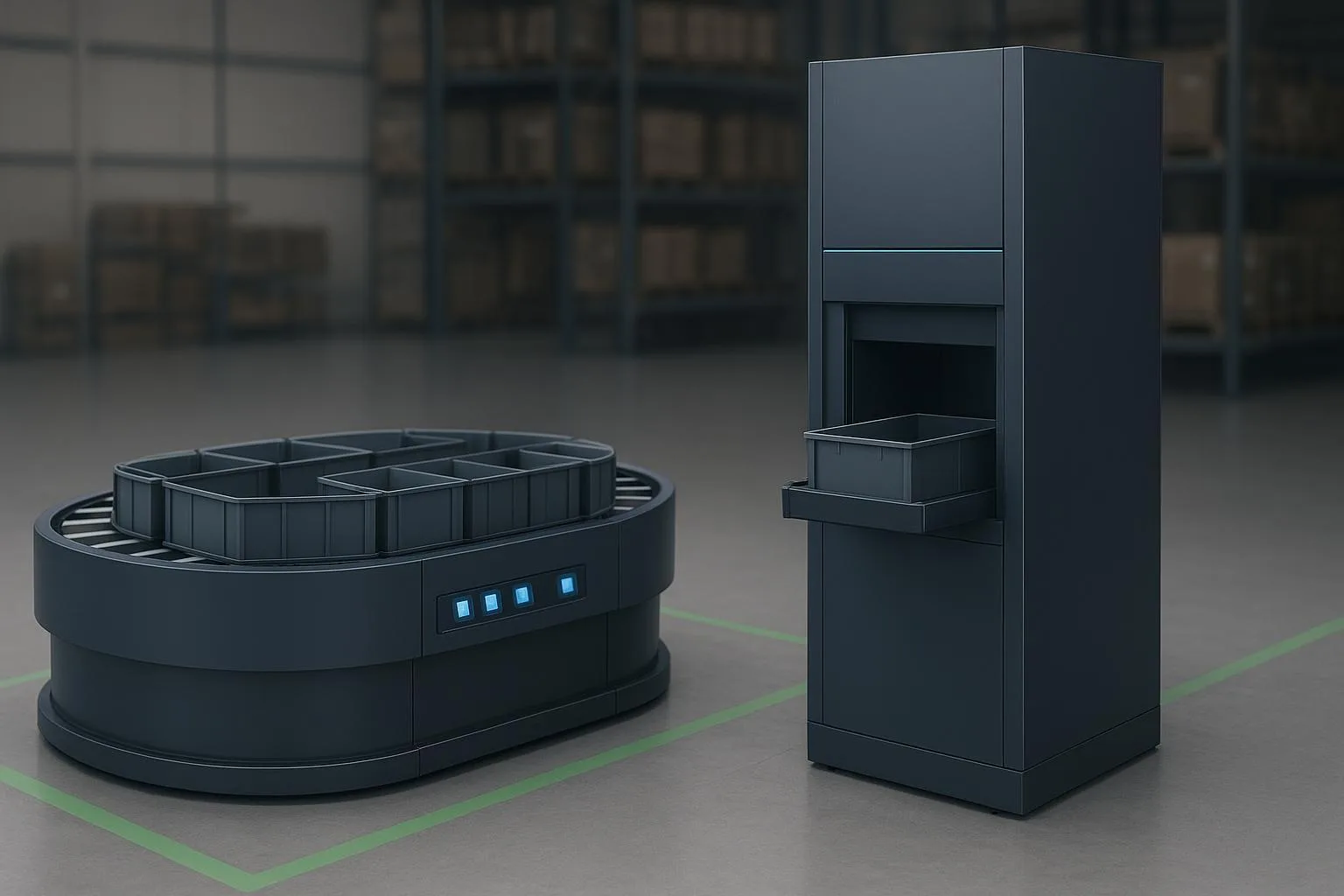
If you’re balancing floor space, clear height, picking throughput, and safety requirements, horizontal and vertical carousel conveyors are worth a hard look. This Ultimate Guide covers the Selection and advantages of horizontal and vertical carousel conveyors in industrial settings—what they are, when to choose each, and how to engineer them for safe, reliable performance. In brief: horizontal carousels (HCC) rotate bins around a horizontal oval to present items quickly at a pick window, often in pods with light‑directed picking; vertical carousels (VCC) rotate carriers vertically inside an enclosed tower to deliver trays at an ergonomic opening while reclaiming floor space by using the building’s height. Both are different from bulk belt conveyors but commonly integrate with them upstream or downstream.
Why do these systems matter in heavy industry, logistics, and manufacturing? They reduce walking, improve ergonomics, compress storage footprints, and—when engineered correctly—provide predictable throughput. Applying the right standards and controls ensures safe operation across commissioning, maintenance, and daily use.
Key takeaways
-
Horizontal carousels favor high‑velocity, multi‑order batching with pods; vertical carousels favor secure, ergonomic storage and strong floor‑space recovery.
-
Typical HCC productivity ranges around 200–400 lines/hour/operator (with OEM top‑end claims up to ~600); VCC rates commonly 100–400 depending on configuration and height.
-
For VCC safety, design and validate against ANSI/MHI MH24.2; apply ISO 12100 and OSHA 1910 for both types; coordinate fire protection with NFPA 13 and your AHJ/insurer.
-
Selection hinges on facility geometry (floor vs height), SKU profile, load/duty, and software‑driven batching/slotting.
-
Preventive maintenance—lubrication, tension checks, sensor cleaning, and interlock testing—prevents the most common failures.
Concepts and technical foundations
Horizontal carousel mechanics
A horizontal carousel conveyor is a loop of carriers or bins traveling around an oval track. The drive (motor and gearbox) powers chains or belts that index the carriers to the pick window. Operators work in pods—two to five carousels serving one or more stations—while pick‑to‑light systems and batching logic in the WMS/WCS orchestrate sequences to minimize idle time. The control layer (PLC and WCS) manages rotational positioning, interlocks, and light cues.
Throughput is driven by average rotational travel to the next pick, carousel speed, and handling time. Realistic operations often deliver about 200–400 lines/hour/person with batching and light‑directed picking; OEMs cite optimized configurations up to ~600 lines/hour/operator. For representative references and ranges, see the integrator and OEM context provided by the White Systems specs and Cisco‑Eagle comparisons in their HCC overviews: White’s published materials on horizontal carousels include top‑end rates under optimized setups in their product pages, while Cisco‑Eagle’s storage and picking primers benchmark practical velocity ranges across solutions. Examples are described in the White Systems horizontal carousel specs and the Cisco‑Eagle picking velocity comparisons.
Vertical carousel mechanics
A vertical carousel is an enclosed tower where carriers rotate on a vertical loop. The machine presents a tray at an access opening, usually at waist height, improving ergonomics and enabling controlled access. Its core advantage is vertical cube utilization: many deployments recover 60–80% of floor space compared with static shelving, with some cases approaching ~85% depending on commodity and ceilings. Integrator and OEM discussions illustrate these space‑savings claims—see the Southwest Solutions vertical carousel overview and Cisco‑Eagle’s Hänel Rotomat page. Throughput commonly falls in the 100–400 picks/hour range depending on height, handling, and batching logic; where height grows, rotational travel increases, which lengthens cycle time.
Controls and safety standards
Whichever carousel you choose, engineer the control system and safety functions explicitly. Use ISO 12100’s risk‑reduction hierarchy—first eliminate hazards by design, then apply protective measures/guards, and finally provide information for use. The ISO Type‑A framework for machinery design is summarized in the ISO 12100 general principles.
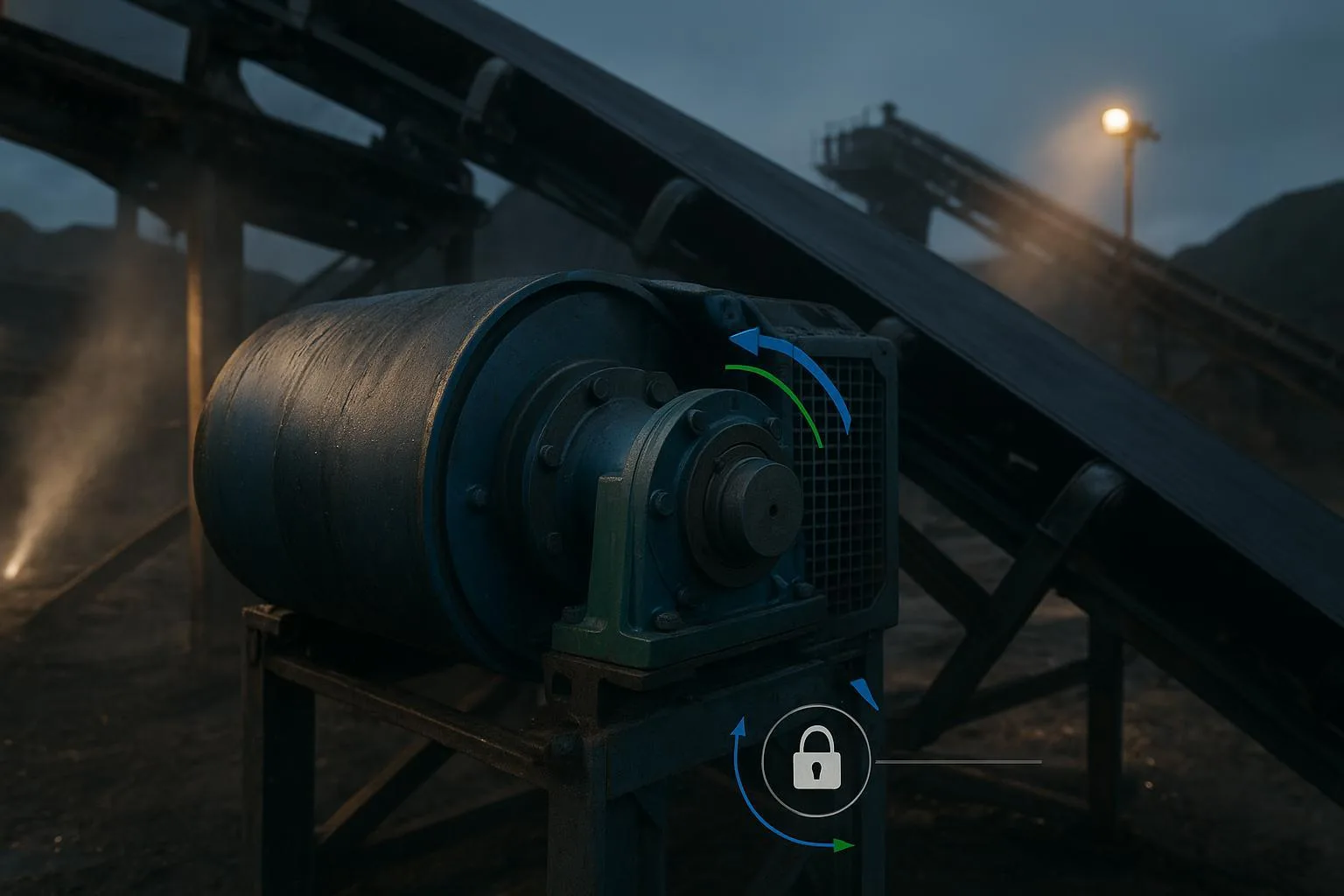
For U.S. general industry, OSHA 29 CFR 1910 governs lockout/tagout and machine guarding. Document procedures under 1910.147 to control hazardous energy during servicing; guard points of operation and rotating components per 1910.212 and 1910.219. OSHA’s program materials and enforcement examples illustrate how these rules apply in practice; see the overview in the OSHA LOTO Federal Register summary.
For vertical carousels specifically, apply the machine‑specific ANSI/MHI standard. ANSI/MHI MH24.2 (latest edition) sets safety requirements and verification methods for vertical carousels and vertical lift modules across their lifecycle—from design and installation through operation and maintenance. The standard’s scope and revision history are documented in ANSI’s Standards Action notices; see the ANSI/MHI MH24.2 scope and revision notice.
Coordinate fire protection assumptions with your AHJ and insurer under NFPA 13. Dense automated storage can require in‑rack sprinklers or higher design densities depending on commodity and geometry—background is available in the Fire Protection Research Foundation’s ASRS landscape materials, such as the NFPA landscape analysis of ASRS and protection guidance.
Applications and industry use cases
Logistics and distribution centers (DC)
Where SKU counts are high and orders are multi‑line, HCC pods shine. By batching orders and using pick‑to‑light, operators can keep hands moving while carousels sequence the next tray. This goods‑to‑person approach cuts travel and boosts consistency, ideal for small parts, spares, and kitting. It directly supports the Selection and advantages of horizontal and vertical carousel conveyors because HCCs transform long travel into concentrated work at the pick window.
Manufacturing MRO and tool rooms
VCCs offer secure, ergonomic access for tooling, gauges, and maintenance spares in constrained rooms. By storing vertically and presenting at a comfortable height, teams reclaim floor space and reduce strain. Access control (badges, logs) adds accountability. This highlights the Selection and advantages of horizontal and vertical carousel conveyors when you must balance space with controlled access.
Specialty storage
Textiles, medical supplies, and other standardized items benefit from vertical carousels’ controlled environment and repeatable access. In plants with limited clear height but long aisles, HCCs can also serve line‑side kitting to smooth assembly or after‑cast operations.
Selection and implementation guidelines
To choose between horizontal and vertical designs, start with geometry, then refine by inventory, load, and operations.
-
Facility geometry: Favor HCC when clear height is limited (e.g., < ~15 ft) and floor aisles are available; favor VCC when floor space is scarce but clear height is moderate (roughly 8–32 ft).
-
Inventory profile: HCC is strong for high‑SKU, small‑to‑medium items and complex multi‑order batching; VCC prefers standardized item sizes and secure storage.
-
Load and duty: Both suit light‑to‑medium loads. For heavier items or variable item heights, a vertical lift module (VLM) may be more appropriate.
-
Throughput and operations: HCC often delivers higher operator productivity via podding and queuing; VCC is steady, but taller units add rotation time.
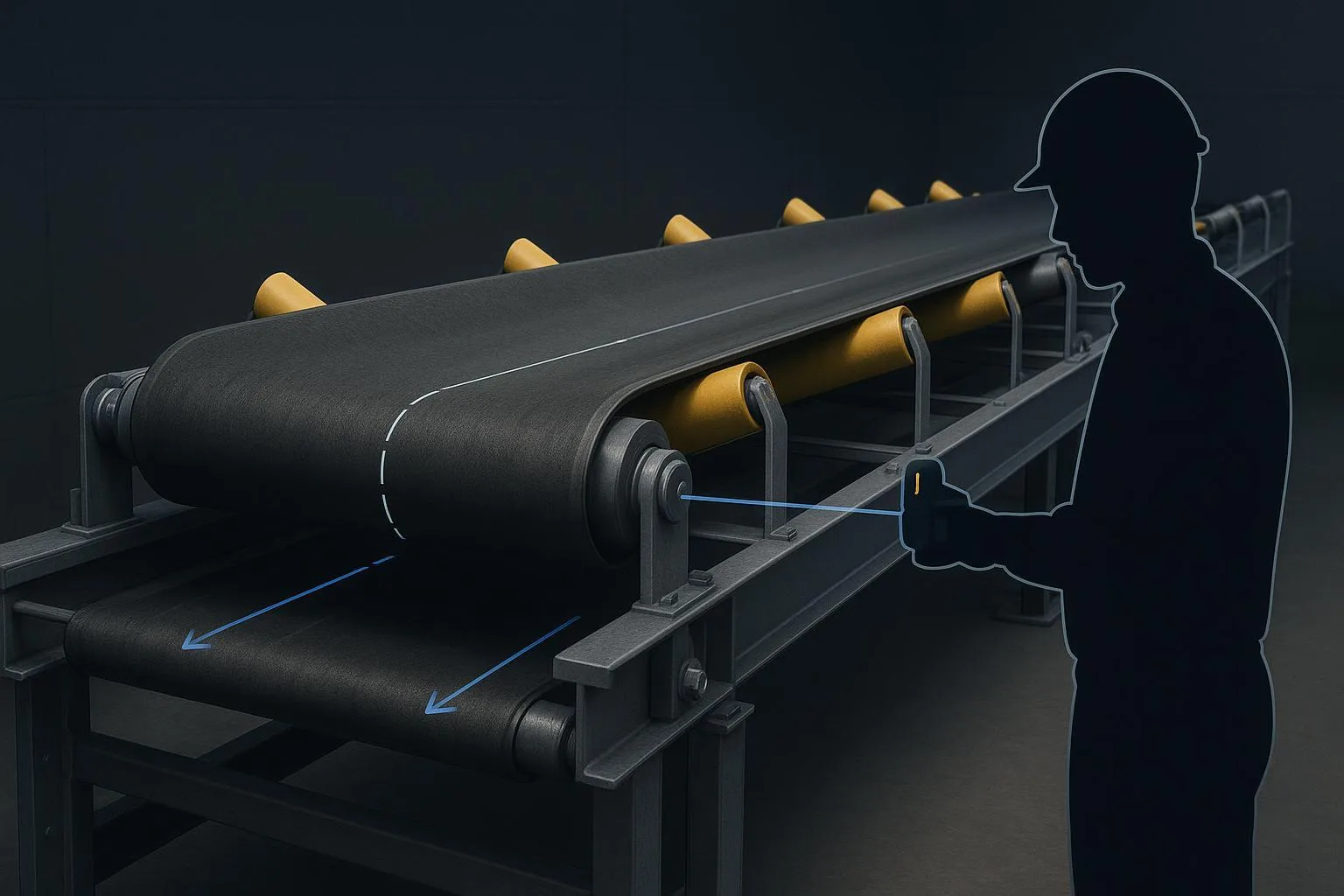
When carousels interface with conventional belt conveyors for inbound/outbound flow, reference component choices (belts, idlers, pulleys) and maintenance practices. For a primer on component roles and selection considerations, see this contextual guide on belt conveyor idlers and why they matter.
Snapshot comparison table
Sources: performance and space ranges summarized from the White Systems horizontal carousel specs, Cisco‑Eagle comparisons of carousel and VLM performance, and Southwest Solutions vertical carousel overview.
Engineering calculations: quick estimation aids
How do you forecast throughput before you buy? Use simple cycle‑time math, then tune for batching. This section supports the Selection and advantages of horizontal and vertical carousel conveyors with practical formulas.
-
Cycle time (simplified): T_cycle ≈ (θ_avg / ω) + T_access
-
θ_avg: average rotational travel (degrees) to the next pick
-
ω: rotational speed (degrees/second or rpm converted)
-
T_access: handling time at the pick window
-
-
Effective picks/hour: PPH ≈ (3600 / T_cycle) × η_batch
- η_batch: batching/pod utilization factor (0–1). Practical stations often see 0.5–0.8.
Worked example (horizontal carousel pod): Suppose average travel is 90° (one‑quarter of a loop), effective rotational speed is 120°/s, and handling time is 10 s. Then:
-
Rotation time = 90° / 120°/s = 0.75 s
-
T_cycle = 0.75 s + 10 s ≈ 10.75 s
-
Baseline PPH ≈ 3600 / 10.75 ≈ 335 picks/hour
-
With batching factor η_batch = 0.7, effective PPH ≈ 235 picks/hour/person
These are planning figures; actual performance depends on software, ergonomics, and operator skill. Space savings estimates can be approached similarly: Space savings % ≈ 1 − (system ft² / static shelving ft²). If a VCC uses 80 ft² where shelving used 320 ft², savings ≈ 1 − (80/320) = 75%.
Common problems and troubleshooting
-
Vertical carousel presents uneven carrier heights or stalls under load:
-
Likely causes: chain/belt wear, load imbalance, or motor thermal trip.
-
Actions: verify carrier load distribution, check and adjust tension per OEM spec, allow motor cool‑down, and inspect drive components.
-
-
Horizontal carousel bins misalign at the pick window or indexing is inconsistent:
-
Likely causes: track debris, bearing wear, or sensor misalignment.
-
Actions: clean track, inspect/replace worn rollers/bearings, re‑align presence/limit sensors, and validate pick‑to‑light registration.
-
-
Frequent controller faults after WMS updates:
-
Likely causes: firmware/WCS mismatch or interface mapping changes.
-
Actions: implement change control and version governance; roll back or patch; re‑test PLC/WCS interface points and error handling.
-
Best practices and maintenance
Preventive routines keep carousels stable and extend service life. Anchor your program to OEM manuals and document every task. A concise carousel maintenance checklist should include lubrication, tension checks, sensor cleaning, interlock testing, and controller backups.
-
Daily/weekly: Visual inspections of carriers, fasteners, guards, and e‑stops; clean access windows and sensors; verify interlocks and light cues; log anomalies.
-
Monthly/quarterly: Lubricate chains and bearings per OEM schedules; check tension and alignment; validate all safety interlocks and LOTO points; back up controller parameters; review WMS/WCS logs for recurring faults.
-
Annually: Perform torque verification on drive elements and structural fasteners; audit carrier balance and load distribution; realign tracks and guides; conduct a software/firmware governance review.
Slotting by velocity reduces average rotational travel: assign fast movers closer to the access window or tune batch logic to queue them across pods. Ergonomic station design—correct work height, anti‑fatigue flooring, clear signage—reduces handling time.
Standards and safety compliance
For VCC systems, explicitly document conformance to ANSI/MHI MH24.2 (latest edition) during design and acceptance testing; the standard defines safety requirements and verification methods across installation, operation, maintenance, and dismantling. ANSI’s published scope clarifies coverage for vertical carousels and VLMs; see the ANSI/MHI MH24.2 revision notice.
Apply ISO 12100’s risk assessment and reduction methodology to both horizontal and vertical machines, then align guarding and LOTO programs with OSHA 29 CFR 1910 (e.g., 1910.147 for hazardous energy control; 1910.212/219 for guarding of points of operation and power‑transmission components). OSHA’s overview and program materials are summarized in the LOTO Federal Register documentation.
Coordinate fire protection under NFPA 13 and, where applicable, insurer criteria. Dense automated storage may need enhanced sprinkler densities or in‑rack sprinklers depending on commodity, geometry, and obstructions. For background on automated systems and modern warehouse hazards, see the NFPA and Fire Protection Research Foundation’s ASRS guidance. Engage your AHJ and insurer early.
Selection and advantages of horizontal and vertical carousel conveyors: putting it all together
Here’s the deal: if your facility has limited height but long aisles and many picks per order, horizontal carousels with pods can amplify batching and keep operators productive. If your plant is floor‑space constrained yet offers clear height and standardized items, vertical carousels reclaim square footage and improve ergonomics while keeping access controlled. In both cases, software, station design, and maintenance discipline are as important as hardware. These points summarize the Selection and advantages of horizontal and vertical carousel conveyors in practice.
Conclusion and next steps
Choosing well means quantifying geometry, SKU profiles, load duty, and throughput targets, then validating safety and maintenance programs against ISO/OSHA/ANSI standards. Start with quick cycle‑time estimates and a space‑savings calculation, assess whether batching can lift effective picks/hour, and plan integration with WMS/WCS and upstream/downstream conveyors.
If you need reliable upstream or downstream belt conveyor components adjacent to a carousel AS/RS—belts, idlers, pulleys, and related parts—consult BisonConvey for component selection and engineered integration support. Neutral advice, component know‑how, and practical field experience are what keep your system stable.
FAQ
What’s the difference between a vertical carousel and a VLM?
A vertical carousel rotates carriers on a loop and presents trays at a window; a VLM stores trays in columns and uses an inserter/extractor to move them. VLMs generally reach taller heights and handle heavier, variable tray loads; carousels are simpler and often better for standardized items and ergonomic access.
How do I estimate horizontal vs vertical carousel throughput?
Use T_cycle ≈ (θ_avg / ω) + T_access and PPH ≈ (3600 / T_cycle) × η_batch. Horizontal pods often reach higher effective rates due to batching and continuous queueing. Taller vertical units add rotation time, which modestly reduces rates unless mitigated by batching and slotting.
Which standards apply to carousel safety?
Apply ISO 12100 for machinery risk reduction and OSHA 29 CFR 1910 for LOTO and guarding. For vertical carousels, design and verify to ANSI/MHI MH24.2; coordinate fire protection assumptions with NFPA 13 and your AHJ/insurer.
When should I choose a vertical carousel over a horizontal one?
Choose vertical when floor space is scarce and you have sufficient clear height (about 8–32 ft typical) with standardized items and a need for secure, ergonomic access. Choose horizontal when ceilings are low, aisles are available, and your operations benefit from high‑velocity batching with pods and light‑directed picking.