Conveyor Pulley Lagging Types and Selection
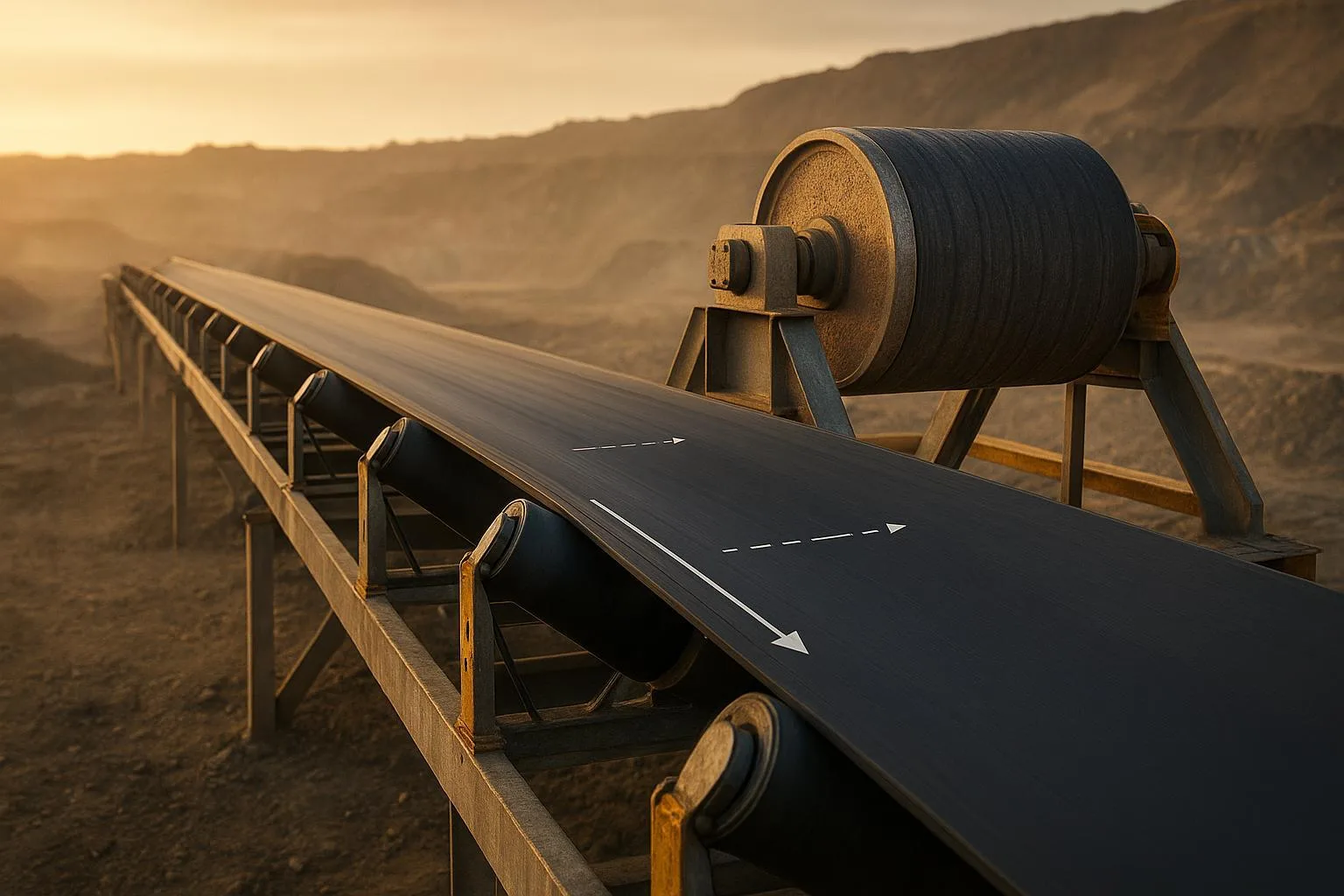
When a conveyor slips, overheats, or wears out early, the head pulley’s lagging is often the root cause. Pulley lagging is the sacrificial, high-friction layer bonded or fastened to a pulley to increase traction, protect the shell, and shed water and fines. This ultimate guide explains Conveyor Pulley Lagging Types and Selection with practical engineering context you can lift straight into specs and RFQs.
Key Takeaways
-
Match lagging to duty: wet/slurry favors grooved rubber or ceramic; abrasive ores push you toward ceramic or ceramic-in-rubber.
-
Verify materials by standards: hardness (ASTM D2240), abrasion (DIN 53516/ISO 4649), adhesion to steel (ASTM D429).
-
For critical drives, hot vulcanizing typically delivers higher, more consistent adhesion than cold bonding—prove it with peel tests.
-
Don’t chase a single “best” type. Consider pulley role, wrap angle, belt carcass, speed, diameter, environment, and maintenance windows.
Core concepts
Lagging has three jobs:
-
Traction: Increase effective friction at the drive to control slip, especially at start-up and in wet conditions.
-
Protection: Act as a wear layer to protect the pulley shell from abrasion and corrosion.
-
Water and debris management: Patterns and grooves channel water and fines away from the nip point.
Traction, wrap angle, and drives
Wrap angle and friction work together. More wrap increases the contact arc, reducing the coefficient of friction required to transmit torque. If wrap is limited, the drive may depend more on lagging characteristics and tensioning to prevent slip. Industry references emphasize using lagging plus adequate wrap and take-up design to maintain traction and minimize wear; see system-level guidance in the Martin Engineering Foundations eBook (2012) and conceptual notes in the CEMA Belt Book public change pages.
Materials and bonding basics
-
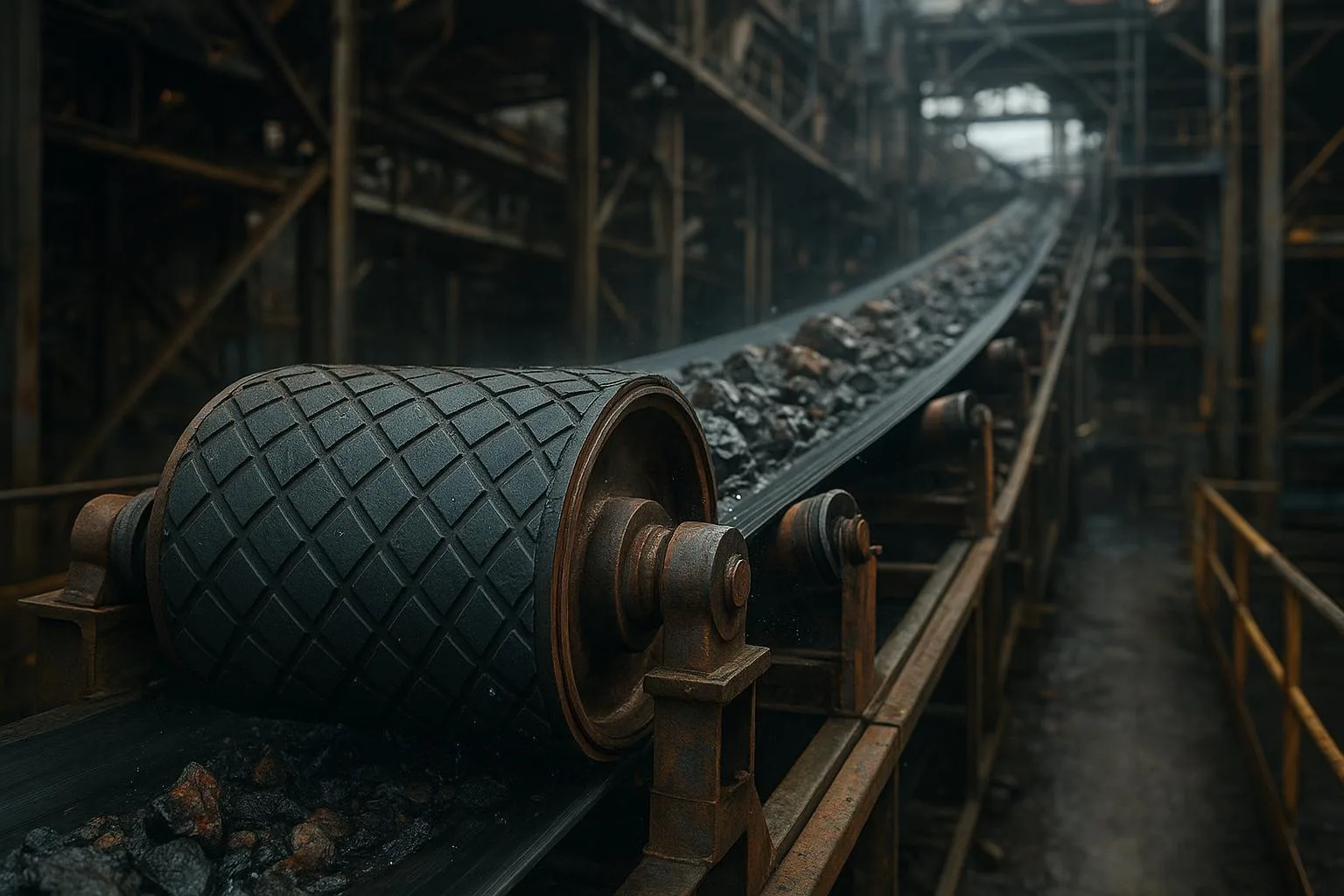
Rubber lagging: plain (smooth) for dry traction and general duty; grooved (diamond/chevron/herringbone) to channel water/slurry and improve wet traction.
-
Ceramic lagging: alumina tiles (often dimpled) embedded in rubber sheets or plates; excels in abrasive, high-tension, and wet conditions where slip risk is high.
-
Polyurethane (PU) lagging: high wear resistance; commonly used on non-drive pulleys for shell protection; check friction suitability before using on drives.
-
Replaceable/slide lagging: segmental pads retained mechanically for rapid change-outs where downtime is constrained.
-
Bonding methods: hot vulcanized (HV) vs cold-bonded (CV) adhesives; HV generally achieves higher, more consistent adhesion on critical drives when executed correctly.
Types of lagging
Rubber: plain vs diamond/chevron
Plain rubber works in clean, dry service where water shedding is not a concern and where smaller pulley diameters or higher speeds demand flexible compounds. Diamond/chevron grooves channel water and fines away from the nip, materially improving consistency under rain, slurry, or clay carryback. Typical rubber hardness lives around the mid-60s Shore A for a balance of traction and durability, but confirm with supplier data. See representative product families and properties in Flexco’s pulley lagging technical guide.
Ceramic: full or partial coverage; dimpled vs smooth
Ceramic provides higher effective friction—particularly when wet—and excellent abrasion resistance. Full-coverage (≈80%) dimpled tiles are common on mining head pulleys with high tensions and variable moisture. Partial-coverage variants aim to balance cost and traction. Smooth ceramic can be used where cleaning interactions demand less surface aggression. Always verify minimum pulley diameter compatibility for ceramic/rubber thickness and the belt carcass.
Polyurethane (PU)
PU excels in wear resistance and is often selected for non-drive pulleys (snub, bend, tail) in highly abrasive carryback environments. For drive pulleys, ensure the surface finish and compound provide sufficient traction for your duty—if not, prefer rubber or ceramic-based options.
Replaceable/slide lagging
Slide-in segmental lagging is attractive when pulley removal is difficult or downtime is expensive. Pads can be swapped in-situ. Alignment of retainers is critical to avoid vibration; traction performance depends on chosen surface (rubber grooved or ceramic-faced segments). Representative system notes are available from Kinder’s replaceable lagging overview.
Quick comparison
Note: Table contrasts are comparative, not absolute; confirm with supplier datasheets and site trials.
Numeric property benchmarks (typical ranges)
Use these values as screening targets and verify with supplier datasheets and on-site tests. Where possible, select compounds and bonding systems validated to the following standards.
For deeper reading on published ranges and bonding performance, see Flexco’s pulley lagging technical guide for representative hardness and abrasion bands and product families, and Elastotec’s HV vs CV engineering note for adhesion targets and process controls. System-level context on traction and wrap appears in the Martin Engineering Foundations eBook and conceptual notes in the CEMA Belt Book change pages.
Practical applications and use cases
-
Wet iron ore overland conveyor (mining): High tension, variable rain and spray, clay carryback. Choice: dimpled ceramic on the head pulley for traction stability; grooved rubber on snubs for water shedding; confirm belt cleaner compatibility.
-
Clinker line (cement): Extremely abrasive, hot ambient. Choice: ceramic or ceramic-in-rubber on the drive; heat- and abrasion-resistant compounds; smooth rubber or PU on non-drive pulleys for shell protection.
-
Port stockyard reclaimer: Frequent stop/starts, saline moisture. Choice: grooved rubber on drives where tensions are moderate; ceramic where slip events are frequent; corrosion control at edges and end discs is essential.
-
Steel plant sinter belt: High abrasion dust, intermittent wetting. Choice: ceramic on the head; replaceable slide lagging considered where pulley removal is difficult and outages are short.
Conveyor Pulley Lagging Types and Selection Guide
Think of selection as a sequence rather than a single choice.
-
Environment and material Wet or slurry-prone? Favor grooved rubber for water management. If slip risk remains high under tension swings, move to ceramic on the drive. Highly abrasive ores or clinker point toward ceramic or ceramic-embedded rubber. Chemical or oil exposure? Specify oil-resistant rubber or evaluate PU for non-drive roles.
-
Pulley role and traction need Drive pulleys carry traction risk—prioritize surfaces that stabilize μ under your worst conditions. Non-drive pulleys prioritize shell protection and belt life; smooth rubber or PU often suffice.
-
Belt carcass, speed, and diameter Steel-cord belts and small diameters place bending demands on the lagging layer; flexible rubber is forgiving. At very high speeds, confirm dynamic behavior and heat build-up; thicker or harder lagging may elevate temperatures.
-
Wrap angle and take-up Limited wrap increases required friction. Add a snub or improve take-up where practical. If layout fixes wrap, select higher-traction lagging and verify start-up slip margins.
-
Bonding method and maintenance strategy For critical drives, prefer hot vulcanizing when feasible. Where downtime is constrained or pulley removal is difficult, consider replaceable slide systems. If cold-bonding, lock down surface prep, environment, and peel-test documentation.
-
Validate and document Before handover, confirm hardness, abrasion class, compound options (FRAS/oil/heat resistant), and conduct adhesion checks where bonded. During commissioning, measure slip percentage and temperature rise at the drive.
Related internal resource: review your conveyor belts and components to ensure compatibility across pulleys, cleaners, and take-up. See the product overview at conveyor belts and components.
Installation and bonding
Hot vulcanizing (HV) vs cold bonding (CV)
-
HV: Consistent, high adhesion when executed correctly, with typical peel strengths around 20–25 N/mm and 100% rubber tear in ASTM D429 Method B checks. Better resistance to edge lifting and moisture ingress on critical drives.
-
CV: Can achieve >18 N/mm when process-controlled (surface prep, primer/adhesive systems, tack times, consolidation pressure, cure conditions). More sensitive to ambient temperature and cleanliness.
Surface preparation and cure
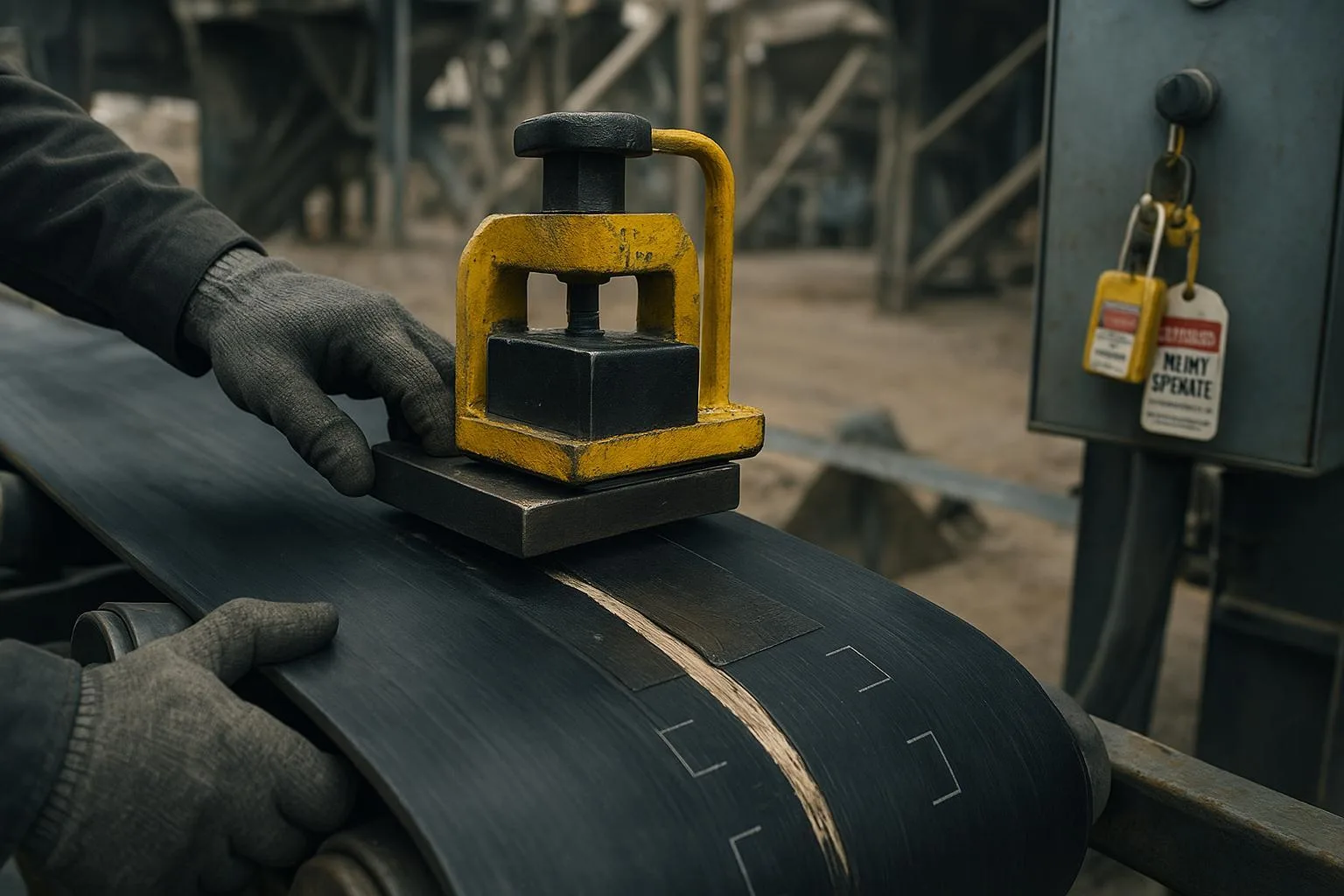
- Prepare shells per the bonding system: shot blast and clean for HV; roughen, solvent-clean, and prime for CV. Maintain manufacturer-specified cure temperatures/times and consolidation pressure.
Verification (recordkeeping matters)
- Take and document peel tests (90° peel) at multiple locations, recording N/mm and failure mode. Look for rubber tear as a pass condition and track values over time during scheduled outages. See Elastotec’s HV vs CV note for representative targets and procedures.
Troubleshooting and maintenance
Common problems and diagnostic cues
-
Belt slippage at start-up or rain events: Inspect head-pulley lagging wear and glazing first; confirm wrap angle and take-up; consider upgrading to grooved rubber or ceramic for wet traction.
-
Debonding or edge lifting: Review bond type and history; CV bonds in harsh, wet environments often show variability—revisit surface prep and adhesion records; HV is often favored for critical drives. Guidance and inspection priorities echo the system-level recommendations in the Martin Engineering Foundations eBook.
-
Uneven wear and vibration: Check pad alignment on slide systems; verify pulley balance, bearing condition, and belt tracking.
-
Carryback and buildup: Grooved lagging helps water shedding but is not a cleaner. Pair with primary/secondary cleaners and V-plows; maintain scraper tension and blade condition.
Inspection rhythm and safety
-
Prioritize head pulleys in routine inspections; watch for heat glazing, tile damage, and groove clogging. Combine visual checks with temperature and slip observations during commissioning and after major storms.
-
Always follow lockout/tagout and guarding procedures before service. For U.S. sites, OSHA’s official page on the control of hazardous energy outlines LOTO practices: review the OSHA LOTO standard overview for maintenance crews.
FAQs
-
What’s the difference between diamond lagging vs plain lagging? Diamond (grooved) lagging channels water and fines away from the nip, improving consistency in wet conditions. Plain lagging suits clean, dry service with lower carryback.
-
Is rubber vs ceramic pulley lagging better for mining conveyors? In wet, high-tension mining drives, ceramic typically delivers more stable traction and wear life. Rubber (grooved) remains effective where tensions are moderate and water management is the main requirement.
-
When should I choose cold bonding over hot vulcanizing? Use cold bonding when access or outage limits preclude hot work and when you can tightly control prep, environment, and cure. For critical drives and harsh conditions, hot vulcanizing is generally preferred for adhesion consistency.
Conclusion and next steps
Selecting the right surface is less about brand names and more about matching conditions to performance. Start with the environment and pulley role, check belt carcass, speed, diameter, and wrap, then choose the material and bonding method you can verify in the field. With this framework for Conveyor Pulley Lagging Types and Selection, you can specify with confidence and reduce slip- and wear-related downtime.
For projects that need application-specific support, vendor drawings, or bonded/replaceable lagging options, engage an experienced supplier. BisonConvey supports custom specifications for pulleys, lagging, and integrated conveying components, and can coordinate with your team to align materials, diameters, and maintenance strategy.
—
Engineer’s note: This guide reflects field experience specifying and auditing conveyor drives across mining, cement, ports, and steel. It references common industry practices and publicly accessible guidance from leading OEMs and organizations.